
Mouse and rat control in Ontario
Inspect, identify, treat and follow up. We find how mice and rats get in, remove them and help keep them out.
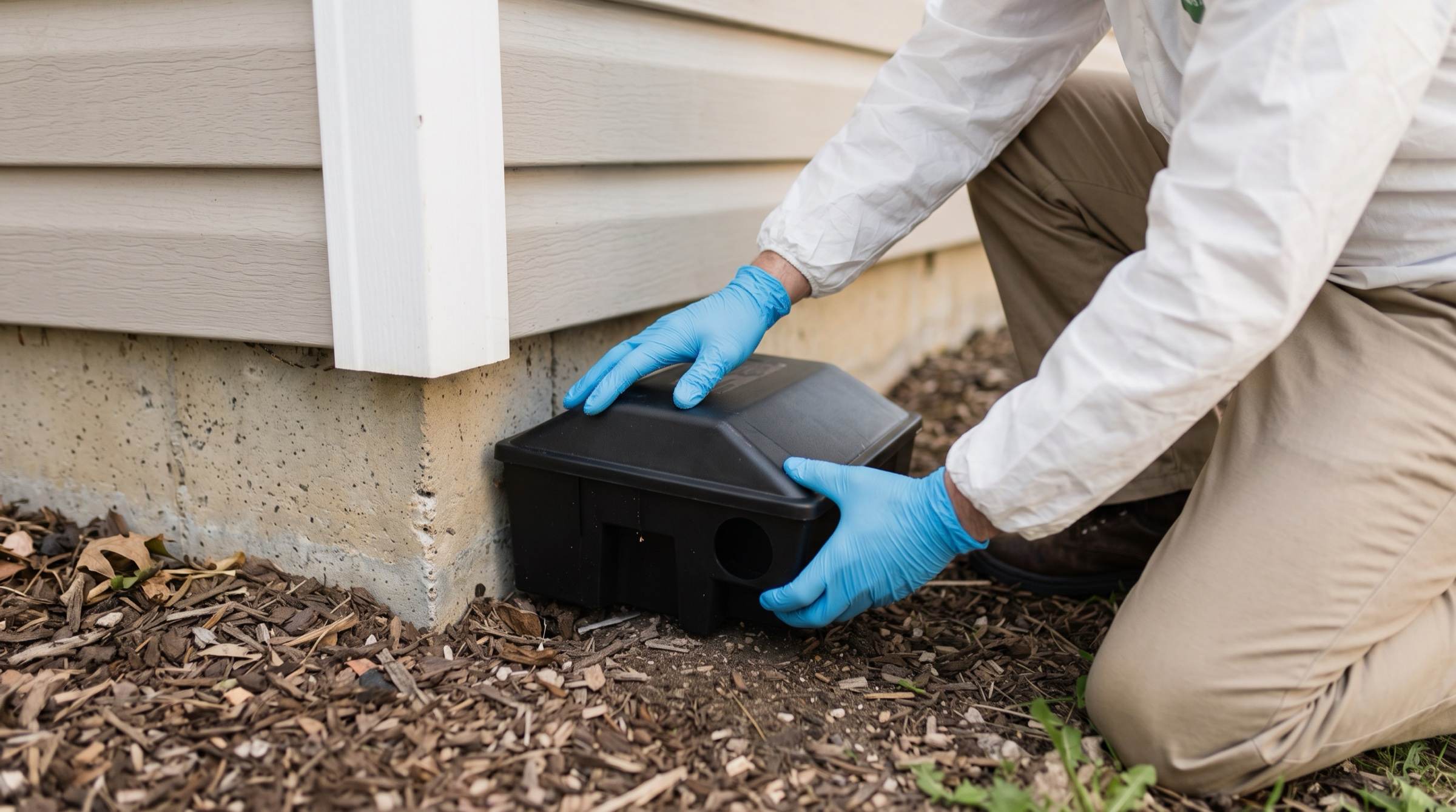
Mice and rats rarely announce themselves. You hear scratching in the ceiling at night, find droppings in a drawer, or notice a chewed bag of flour. Once you do, the goal is to find out how they are getting in and fix that, not just to catch the ones you can see.
How does Pest Emergency handle rodent control?
We follow the same four steps on every job.
- Inspect. We check inside and outside for signs of activity and for gaps.
- Identify. We work out whether you have mice, rats or both. The answer changes the plan.
- Treat. We remove the rodents using the right method for your home.
- Follow up. We check that activity has stopped and that the repairs are holding.
This is Integrated Pest Management (IPM). It means we deal with the cause, such as food, shelter and entry points, and not only the animals. Read more in our IPM guide.
How do mice and rats get into a house?
Smaller than you think. Health Canada says mice can fit through a crack about the width of a dime, and rats through a hole about the size of a quarter. Most homes have gaps that size somewhere.
Common entry points
- Gaps around pipes, wires and utility lines
- Cracks in the foundation
- Gaps under doors and around garage doors
- Uncovered vents and soffits
- Damaged weatherstripping and window frames
Signs of rodents
- Droppings along walls, in cupboards or behind appliances
- Gnaw marks on food packaging, wood or wiring
- Scratching or scurrying in walls and ceilings, often at night
- Shredded paper, fabric or insulation used for nests
- Greasy rub marks along baseboards
Not sure which animal you have? Our guide to mice vs rats shows how to tell them apart. You can also read about mice and rats on their own pages.
How do you get rid of mice?
Traps alone rarely solve it. They remove the animals you catch, but the gaps stay open and new mice move in.
Health Canada notes that snap and electronic traps work well when they are placed and set correctly, and that poison bait should never be the only method. Where bait is used, tamper-resistant stations keep it away from children and pets.
Our treatment usually combines:
- Trapping along the routes rodents travel
- Monitoring to see whether activity is falling
- Tamper-resistant bait stations, only where they are appropriate
- Advice on food and shelter, such as sealed food containers and tidier storage
Is sealing entry points part of the job?
It should be. Health Canada’s guidance puts blocking entry points first, with food and shelter removal alongside it. Fine metal mesh over vents and soffits, metal weatherstripping on doors and patched foundation cracks all help.
During your inspection we point out what needs closing. Some repairs are simple. Others, like rotted trim or damaged siding, may need a contractor. Sealing is what turns a one-time cleanup into a lasting result.
Are rodents dangerous?
Droppings, urine and nesting material can contaminate food and surfaces, and rodents chew wiring and insulation. Do not sweep or vacuum droppings dry. Ask us what to do, or check the public health advice for your area.
Why does autumn matter?
Rodent activity in Ontario climbs from October to March. As nights cool, mice and rats look for warm, sheltered places with food. Your house is one of them. Sealing gaps in September or October is easier than dealing with a full infestation in January.
What about rentals and multi-unit buildings?
If you rent, tell your landlord or property manager first. The City of Toronto advises tenants to start there, and to contact 311 if the problem is not resolved. Landlords can call us to inspect common areas and neighbouring units. Rodents move between units through shared walls and pipes, so one unit rarely tells the whole story.
In Toronto, property owners and businesses are responsible for rat problems on their own property. For rodents on private property, the City advises hiring a pest control company. See our Toronto and Oshawa pages for local service details.
Do you treat restaurants and other businesses?
Yes. Food premises, warehouses and offices all attract rodents. Our commercial pest control page explains how we plan ongoing service for businesses.
Get a rodent control quote
Tell us what you have seen and where. We send quote details within 30 minutes. Then we arrange an inspection with you.
Request a free quote and we will take it from there.
When these pests are active
| Pest | January, current month | February, current month | March, current month | April, current month | May, current month | June, current month | July, current month | August, current month | September, current month | October, current month | November, current month | December, current month |
|---|---|---|---|---|---|---|---|---|---|---|---|---|
| Mice pest page | active | active | active | quiet | quiet | quiet | quiet | quiet | active | peak | peak | active |
| Rats pest page | quiet | quiet | active | active | quiet | quiet | quiet | quiet | active | peak | peak | quiet |
- Quiet
- Active
- Peak
- Outlined column = now
- Mice: Move indoors as nights cool and stay through winter.
- Rats: Seek shelter in fall and sometimes in spring.
How a quote works
Tell us what you found
Describe the pest and the property in a short form.
Quote details in under 30 minutes
Price details by email, or a call from our team.
Under 30 minutes
Treatment visit
A technician treats the problem and explains what to expect.
If pests come back, so do we
Covered visits at no extra cost during your guarantee period.
If pests come back, so do we
If pests return within your guarantee period, we re-treat at no extra cost.
Common questions
How long does rodent control take?
It depends on the size of the problem and how many entry points there are. Light mouse activity can clear up within a few weeks. Larger problems, or rats, can take longer. We follow up to confirm activity has stopped.
Is rodent bait safe around pets?
Poison bait is toxic, so it is never left loose. Where bait is the right tool, it goes in tamper-resistant stations. Tell us about children and pets when you request a quote and we will plan around them.
Can you seal entry points?
Sealing gaps is part of a lasting fix. During the inspection we look for the openings rodents use and explain what needs closing. Some repairs, such as damaged siding, may need a contractor.
Do you handle rats in walls?
Yes. Rodents in walls are a job for a professional, because the nest and the way in both have to be found. Please do not open walls yourself. Request a quote and describe what you are hearing.
What should I do before a visit?
Put food in sealed containers, clear clutter from under sinks and along walls, and note where you have seen droppings or heard noises. Do not move or clean up droppings before we look, as they show us where rodents travel.
How soon is the quote?
We send quote details within 30 minutes of your request. That is the time to your quote, not to a visit. We then schedule the inspection with you.
Where we offer this
- Pest control in BramptonPest treatment in Brampton for new subdivisions, older towers and basement apartments, with landlord rules explained.
- Pest control in HamiltonBed bug, cockroach and rodent treatment for Hamilton homes, rentals and businesses, with a free quote in under 30 minutes.
- Pest control in KitchenerPest control for Kitchener houses, shared rentals and businesses, with a free quote in under 30 minutes.
- Pest control in MarkhamPest control in Markham for condos, townhouses and heritage homes, with York Region guidance on bed bugs and rodents.
- Pest control in MississaugaMississauga pest control for condos, older townhouses and new subdivisions, with notes on Peel Public Health and tenant rights.
- Pest control in OakvilleOakville pest control for mature lots, newer subdivisions and condos, with a free quote in under 30 minutes.
- Pest control in OshawaOshawa pest control for homes, rentals and businesses, including rats and mice, with a free quote in under 30 minutes.
- Pest control in Richmond HillPest control for Richmond Hill houses, condos and businesses, from fall mice to summer wasps, with a free quote in under 30 minutes.
- Pest control in ScarboroughPest treatment in Scarborough for towers, townhouses and houses, with clear steps for tenants who need a landlord to act.
- Pest control in TorontoBed bug, cockroach and rodent treatment in Toronto, plus who to call about pests in a rental, a condo or your own home.
- Pest control in VaughanPest treatment in Vaughan for larger homes, decks and condos, with York Region guidance on rodents and bed bugs.
- Pest control in WaterlooPest control for Waterloo student rentals, Uptown businesses and homes, with a free quote in under 30 minutes.
Get a free quote
Tell us what you found and where. We send quote details in under 30 minutes.