
Pest control for property managers and landlords
Apartments, condos and rentals need building-wide plans for roaches, bed bugs and rodents.
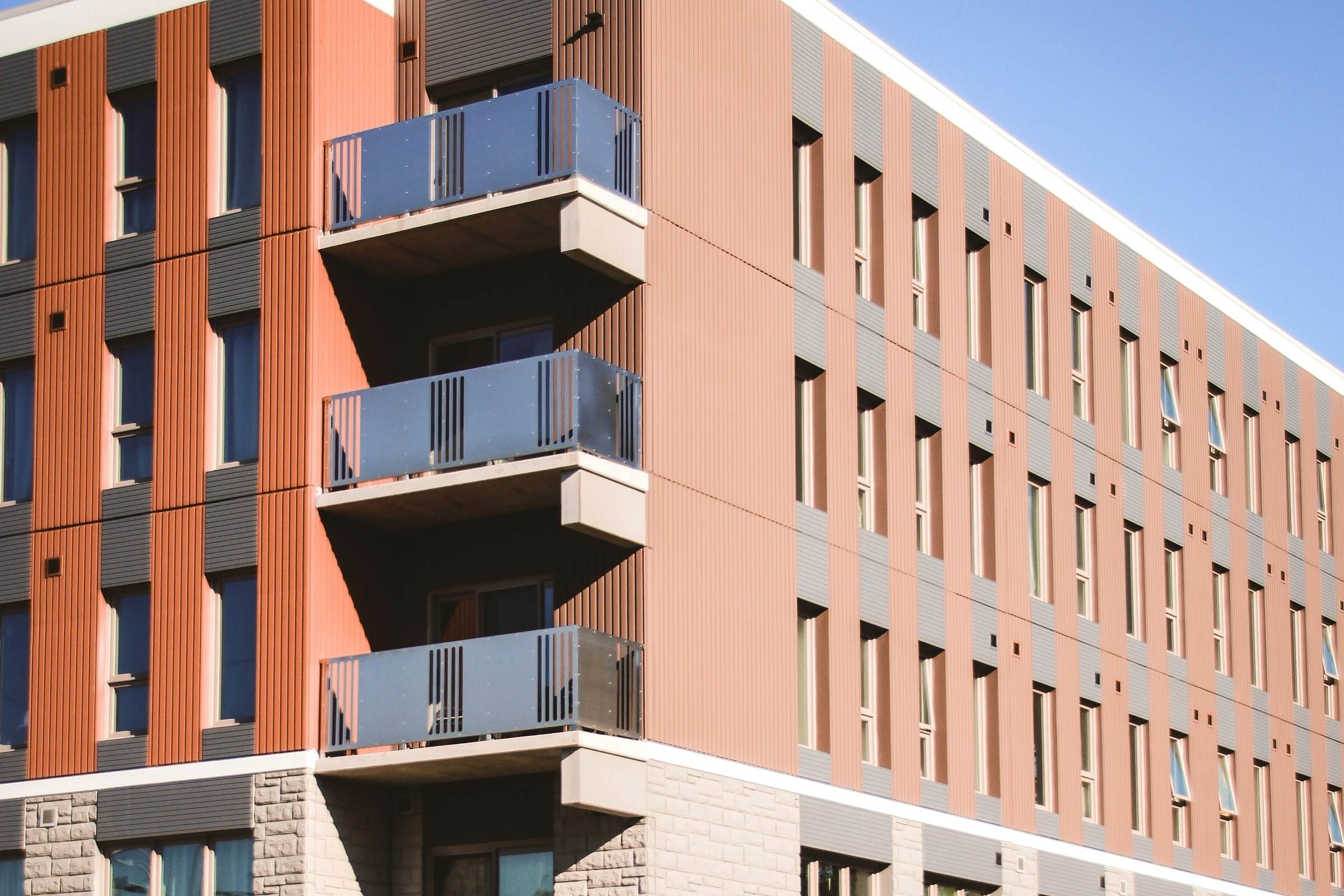
Pests in a rental building are rarely just one unit’s problem. Cockroaches follow pipes and wiring, bed bugs ride in on furniture and luggage, and mice use gaps that run through the whole structure. We work with property managers, condo boards and landlords across Ontario. Request a quote and we send details in under 30 minutes.
Who this is for
This page is for people who look after buildings: property managers, superintendents, condo boards, owners of small rental properties and landlords with a single basement unit. If you are a tenant with a problem, tell your landlord in writing and keep a copy, then point them to us.
Pests that matter in apartments and condos
Cockroaches
German cockroaches thrive in kitchens and bathrooms and move through shared walls. A unit that has them and is not treated can keep reinfesting its neighbours. See our cockroach control service and the cockroach guide.
Bed bugs
Bed bugs move with people and belongings, so they turn up in any building. They hide in mattress seams, bed frames and furniture, and they travel along walls and hallways. Our bed bug treatment page explains the process, and the bed bug guide helps with identification.
Mice and rats
Rodents enter through basements, garbage rooms and gaps around pipes, then run through voids between units. Droppings in a garbage room or a complaint about scratching in the walls are the usual first signs. We cover this under rodent control, and in the guides to mice and rats.
Why building-wide thinking works better
Treating a single unit while the pests live next door is like bailing a boat with a hole in it. A good plan looks at the affected unit, the units above, below and beside it, common areas such as laundry and garbage rooms, and the entry points on the outside.
In Toronto, RentSafeTO applies to apartment buildings of three or more storeys and ten or more units, and owners must register. Building owners should read the City’s guidance for their obligations. We do not give legal advice, so check your lease and the rules that apply to your property.
How our process works in a multi-unit building
We follow the four steps in our integrated pest management guide.
- Inspect. We check the reported unit, nearby units where access is given, and shared spaces.
- Identify. We confirm the pest, because roaches, bed bugs and mice call for different methods.
- Treat. We choose methods for the pest and the layout, and give you unit-prep steps to pass on to residents.
- Follow up. We return to check results and deal with spots that are still active.
Tenant notice and unit preparation
Good communication decides whether treatment works. Give residents written notice, say what is happening and when, and list what they need to do. Typical prep steps include clearing floors and cabinet fronts, bagging and washing bedding for bed bug jobs, and putting food in sealed containers. Your technician supplies the exact list for the pest involved. Ask residents to report sightings to the property manager rather than treating on their own, since store-bought sprays can scatter roaches and bed bugs into neighbouring units.
What property managers can do between visits
- Record every complaint with the unit number, date and what was seen.
- Keep garbage rooms clean, closed and tidy.
- Repair gaps around pipes, doors and baseboards that you find on rounds.
- Fix leaks and moisture problems promptly.
- Tell residents who to contact and make it easy to report early.
What to expect
Request a quote and describe the building and the problem. You get price details or a call-back in under 30 minutes. After you accept, a technician inspects and sets out a plan. Read more about how we work in our commercial pest control page.
Get a free quote
Tell us about the building, the number of units and the pest you are seeing. Use our free quote form or give us a call.
Common questions
Who is responsible for pest control in a rental building?
It depends on the building, the lease and the circumstances, so check your lease and the rules that apply to you. In practice, pests move between units, so managers usually get the best results by treating the whole building rather than waiting on one unit.
Why do bed bugs and cockroaches spread between units?
Shared walls, pipes and wiring give them routes between apartments, and people move them in luggage, furniture and bags. One untreated unit can restock the units around it, which is why we inspect neighbouring units too.
Does Toronto have rules for apartment pest management?
RentSafeTO is Toronto's program for apartment buildings of three or more storeys and ten or more units, and owners must register. Check the City of Toronto's building owner pages for the exact pest requirements that apply to your property.
How should tenants be told about a treatment?
Give written notice early, explain what to expect and what to prepare, and say who to contact. Clear instructions help the treatment work. Your technician can supply the unit-prep steps for the pest involved.
Can you treat one unit or the whole building?
Both are possible. For cockroaches and bed bugs, treating one unit alone often fails because neighbours keep the pests going. We recommend an inspection plan that covers affected and adjacent units, and common areas.
Services for this industry
- Commercial pest control in OntarioIPM-based pest control for restaurants, offices, warehouses and landlords. Inspect, identify, treat, follow up.
- Bed bug treatment in OntarioBed bug treatment that inspects, identifies, treats and follows up. Free quote details within 30 minutes.
- Cockroach control in OntarioCockroach control for homes, apartments and food businesses. Inspect, identify, treat, follow up.
- Mouse and rat control in OntarioInspect, identify, treat and follow up. We find how mice and rats get in, remove them and help keep them out.
Pests to watch for
- Bed bugs: identification, bites and what to doHow to spot bed bugs, what they do, and the safe first steps before professional treatment.
- Cockroaches in Ontario homesIdentify the cockroach in your home, learn the signs, and see what to do before you call.
- Mice in Ontario homesHow to spot mice, why they move in each fall, and what to do next, from sealing gaps to getting a free quote.
- Rats in OntarioSigns of rats, why they show up around homes, and what to do first, from tidying the yard to getting a free quote.
Get a free quote
Tell us what you found and where. We send quote details in under 30 minutes.